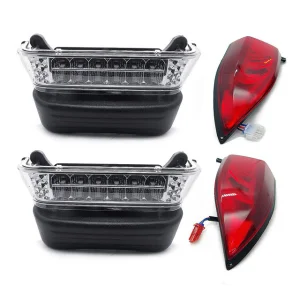
Browse our core engineered components built for ultimate durability under demanding operational load cycles.
Modern utility vehicles, resort transports, and personal golf buggies demand precise power transmission systems to handle variable loads, steep inclines, and frequent stop-and-go operations. At the heart of these gasoline and high-torque hybrid drivetrains is the Continuously Variable Transmission (CVT) Clutch Kit. As a leading high-capacity manufacturer established in 2007, we leverage 18+ years of technical experience to deliver OEM and ODM replacement solutions that outperform standard aftermarket assemblies in thermal resistance, clamping efficiency, and service life.
This document serves as an engineering overview for distributors, fleet operators, and utility vehicle manufacturers seeking high-level information on drivetrain kinetics. By optimizing primary (drive) and secondary (driven) clutch calibration, our manufacturing pathways ensure minimal belt slippage, seamless gear-ratio shifting, and superior load management.
A high-performance clutch kit operates through centrifugal force balancing against spring tension. To prevent premature wear under heavy loads, we utilize specialized metallurgic formulations. The primary drive clutch features high-strength aluminum alloy sheaves cast via vacuum squeeze processes to eliminate internal porosity.
Calculated dynamic weight puck calibration maximizes surface area interaction with the drive belt, eliminating heat-spikes and potential belt slippage during heavy hauling.
Our custom wound secondary springs utilize high-silicon chrome wire designed to resist fatigue and sustain consistent back-shifting pressure over 100,000 cycles.
Surface coating enhancements prevent excessive abrasion from modern aramid-fiber belts, preserving standard clutch angles and ensuring smooth deceleration curves.
| Parameter / Specification | OEM Standard Specification | Heavy Duty ODM Upgrade Spec | Primary Benefit |
|---|---|---|---|
| Material Base Structure | Standard Die-Cast Aluminum (ADC12) | Vacuum-Squeeze Alloy (A356-T6) | Higher tensile strength, reduced failure rate under load |
| Inner Sleeve Bushings | Bronze Sleeve | PTFE-Coated Self-Lubricating Bushing | Lower coefficient of friction, eliminates dry-grease lock |
| Spring Load Calibration | 120 lbs at 2.5-inch compressed height | Up to 180 lbs (Customizable color-coded options) | Tunable back-shifting, improved high-elevation performance |
| Baking Temperature Limits | 120°C Thermal Maximum | 180°C Continual Heat Resistance | Prevents degradation of rollers and weight slides |
Years Engineering Experience
Annual Production Sets
Component Configurations
Tested Prior to Dispatch
As a professional manufacturing hub located in China's automotive supply corridors, our facilities utilize vertical integration to guarantee consistent supply capabilities. Unlike standard brokers, we handle all core fabrication steps under one roof—from metallurgical testing to precision CNC milling, heat treatment, and dynamic balance calibration.
Our strategic proximity to metal forging and raw material suppliers allows us to buffer against global logistics disruptions. In addition, our manufacturing setup is designed for scalable production runs, accommodating both low-volume specialty ODM designs and high-volume runs for clients like Nivel, Madjax, and Red Hawk.

Our OEM and ODM custom integration process is built on strict design isolation protocols. When a client commissions a proprietary clutch design or customized spring tension curve, we commit to absolute IP protection:
Every unique component mold or casting die funded by a client remains their exclusive property. We enforce strict contractual safeguards against cross-selling proprietary designs to competitor brands.
We perform dyno-testing on production samples to match custom RPM curves, shift weights, and thermal thresholds before bulk shipments depart. All components are backed by a comprehensive 1-year replacement warranty.
A single golf cart clutch setup is rarely optimal for all geographic terrains. Depending on environmental demands, drivetrain dynamics must be modified. Below are key localized use cases where optimized clutch kits prevent premature drivetrain failure:
For regions with significant elevation changes, standard OEM clutches often slip, overheating the belt. Our high-torque tuning kits adjust the driven clutch ramp angle and spring preload, ensuring superior back-shifting and keeping the engine in its optimal power band during climbs.
Salt air accelerates aluminum oxidation and steel rust. Our coastal-spec clutch kits feature corrosion-resistant plating and hard-anodized faceplates, preventing salt crust buildup from binding the sliding sheaves and weights.
Utility carts used in warehouses and manufacturing facilities haul heavy payloads. By increasing primary clutch weight profiles and installing stiffer springs, we optimize low-end torque transmission without taxing electric motors or gas engines.
As the golf cart industry shifts toward advanced high-output drivetrains, transmission design must adapt. High-voltage AC drive systems (such as 60V, 72V, and lithium battery conversions) deliver instant torque profile curves. Traditional mechanical clutches can suffer from high shock loads under these setups.
Our R&D roadmap focuses on adapting mechanical CVT technology for hybrid drivetrains. By integrating dampening elastomer sliders and balanced heavy-duty hub pins, our next-generation clutch assemblies manage high-speed electric motor engagement. This ensures smooth acceleration curves while preventing structural fatigue on transaxles and input shafts.
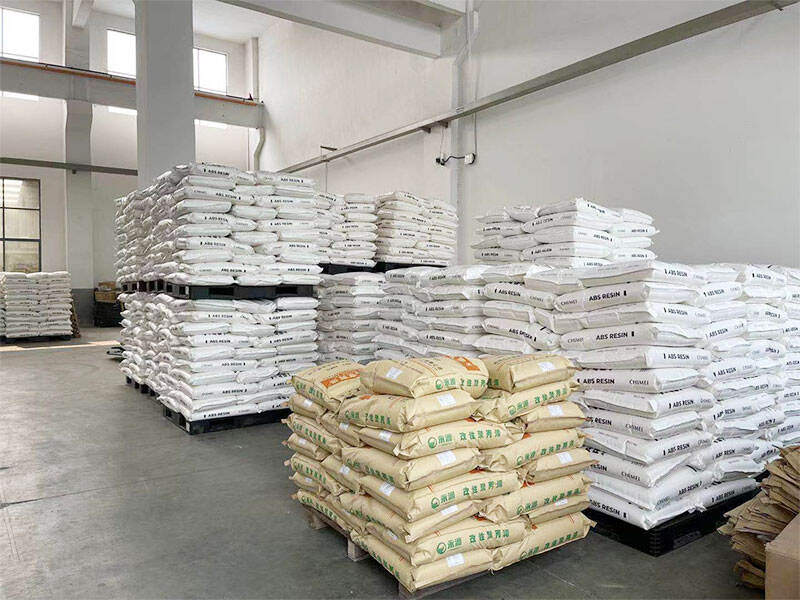
We believe in providing transparent manufacturing processes that match the quality requirements of global industrial buyers. All incoming steel, aluminum alloys, and composites undergo metallurgical testing. Our production line incorporates CNC machining centers alongside precision CMM (Coordinate Measuring Machines) to verify dimensional accuracy down to ±0.01mm.
We comply with major international shipping protocols, offering secure moisture-barrier packaging to protect precision metal surfaces during sea transport. From custom labeling to complete retail packaging solutions, we help global distributors streamline their inventory and delivery processes.
What causes a golf cart clutch to slip under heavy load, and how does your design prevent it?
Clutch slippage is typically caused by insufficient spring pressure, worn weight ramps, or glazed drive sheaves. Our heavy-duty kits feature optimized sheave angles and high-tension springs that deliver consistent clamping force, helping prevent slippage and extending drive belt life.
Can you custom-calibrate clutch weights for high-altitude resort applications?
Yes. High altitudes reduce engine horsepower. We adjust the primary clutch weight pucks and secondary spring preloads to alter shift RPMs, helping the engine stay in its optimal power range despite lower air density.
How does your factory protect proprietary designs during the OEM/ODM process?
We maintain strict intellectual property separation. Custom molds, drawings, and tooling funded by a client are registered exclusively in their name and cannot be shared or sold to other companies.
What testing steps do you perform on each clutch assembly before packaging?
Each assembly undergoes static dimension testing, high-RPM dynamic balancing, and tension testing. This verification process ensures that parts are ready for immediate installation out of the box.
Explore our wider range of vehicle accessories, custom assemblies, and electrical kits manufactured to international specifications.
 Mingni Golf Carts